It’s intriguing to consider that a mere decade ago, online payments were fraught with complexities and skepticism. Today, seamless payment gateways have become the backbone of e-commerce, bolstering confidence and convenience for consumers and merchants alike. Understanding which gateways stand out in this ever-evolving digital marketplace is crucial for driving business success.
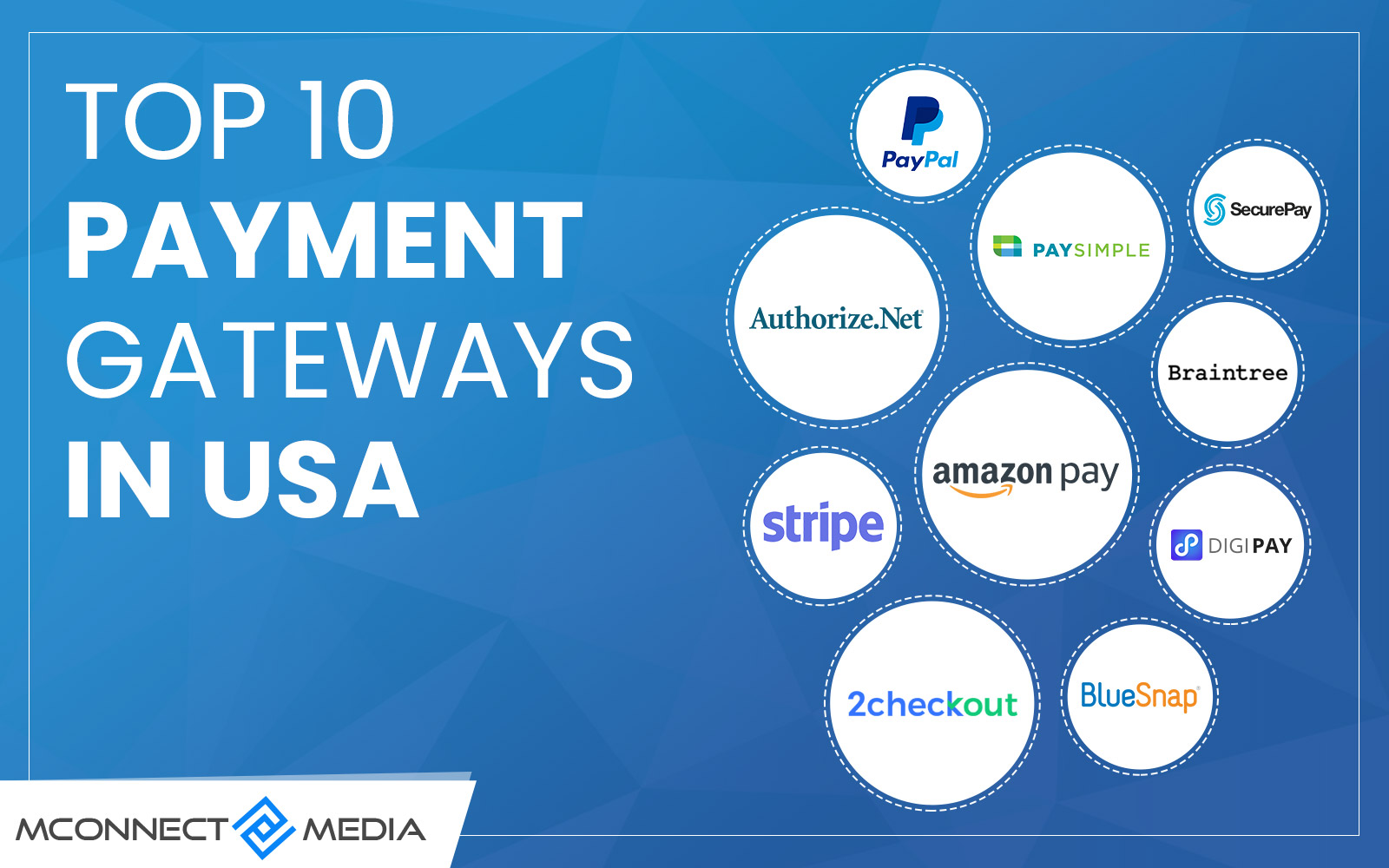
Among the plethora of options, Stripe’s user-friendly integration and robust API offerings have revolutionized how online businesses operate. Meanwhile, PayPal remains a steadfast choice, trusted by millions for its international reach and security features. With projections seeing global e-commerce sales hitting $8 trillion by 2025, choosing the right gateway is more vital than ever to stay competitive.
Source: mconnectmedia.com
Best payment gateways for online businesses
Choosing the best payment gateway is crucial for online businesses. It ensures secure and smooth transactions, keeping both merchants and customers happy. Various options offer specific benefits, catering to different business needs. What works for a small business might not suit a large enterprise. Hence, understanding each gateway’s features can streamline your choice.
Stripe stands out with its powerful API and easy integration. It’s perfect for tech-savvy businesses that require customization. Moreover, it supports a wide range of currencies, which is great for global reach. On the other hand, PayPal is renowned for its user-friendly interface. It’s a top pick for those seeking a reliable and trusted platform.
Next up is Square, which is ideal for small businesses. It offers a seamless experience with its simple setup process. Square provides features like point-of-sale systems, benefiting those with both online and physical stores. For businesses on the move, Square’s mobile-friendly option is a bonus. It ensures flexibility and convenience.
When selecting a payment gateway, consider transaction fees and ease of use. Some platforms charge monthly fees, while others take a percentage of each transaction. Creating a table to compare options can aid in visual decision-making. Look at factors like security measures and customer support. These elements are vital to achieving hassle-free operations.
Stripe: Advantages and User Experience
Stripe is a fantastic payment gateway with several advantages for online businesses. It boasts a simple and developer-friendly API, making integration effortless. This flexibility allows businesses to customize their payment processes according to their needs. Additionally, Stripe supports multiple currencies, which is ideal for global businesses. By accommodating various payment methods, it enhances user experience significantly.
The user experience with Stripe is smooth and intuitive. Customers appreciate the seamless checkout process that allows transactions with just a few clicks. This ease of use reduces cart abandonment rates, enhancing sales numbers for businesses. Furthermore, its detailed dashboard provides real-time insights. These insights help businesses track sales and manage transactions easily.
Another advantage of Stripe is its advanced security measures. It protects sensitive information with a robust framework, ensuring customer data remains secure. With features like encryption and tokenization, businesses and customers feel safe. Additionally, Stripe is compliant with global security standards, which adds to its reliability. Businesses can focus on growth without worrying about safety.
Stripe’s fees are competitive and straightforward, with no hidden charges. This transparency helps businesses manage their finances effectively. When considering Stripe, it’s crucial to examine its pricing model and compatibility with your business needs. A
might help compare Stripe’s fees with other gateways, offering a clear financial picture. With minimal transaction friction, Stripe proves to be a reliable choice for many.
PayPal: A Trusted Option for International Transactions
PayPal is renowned for its reliability in handling international transactions. With its global presence, it supports users in over 200 countries. This extensive reach makes it a preferred choice for businesses targeting diverse markets. Customers can pay in their local currency, simplifying transactions for all parties. Such convenience enhances the buying experience and boosts trust in your brand.
One of PayPal’s standout features is its security. It employs advanced encryption to protect users’ financial information. Additionally, it offers purchase protection, reassuring both buyers and sellers. This layer of security gives users peace of mind when conducting cross-border transactions. As a result, businesses using PayPal often enjoy higher consumer confidence.
PayPal’s user interface is simple and straightforward, which adds to its appeal. Users can quickly send or receive money, creating a hassle-free shopping experience. Plus, PayPal integrates easily with various e-commerce platforms. This compatibility streamlines the checkout process, encouraging more sales. Businesses appreciate how it reduces the complexity of international transactions.
Though its fees can vary based on region and currency, PayPal remains transparent in its pricing. This clarity helps businesses budget and plan accordingly. To make informed decisions, a
can be created to compare PayPal’s transaction fees across different regions. Considering these factors helps businesses choose the best option. With its trusted reputation, PayPal continues to be a go-to solution for global transactions.
Square: Seamless Integration for Small Businesses
Square is a fantastic option for small businesses looking for a simple, yet powerful payment solution. It offers an all-in-one system that covers payment processing, point-of-sale, and invoicing. This integration makes managing sales and finances straightforward for business owners. With Square, businesses don’t need separate software for different operations, simplifying their workflow. This is a huge win for small teams needing to save time and resources.
Square is particularly appealing because of its user-friendly interface. Setting up the system takes just minutes, allowing businesses to start accepting payments rapidly. Moreover, the system is designed to be intuitive, meaning even those not tech-savvy can navigate it easily. This is crucial for small business owners juggling multiple roles. As a result, using Square can reduce stress and increase efficiency.
Square also offers competitive pricing without hidden fees, essential for budgeting. They charge a clear transaction fee, helping businesses manage expenses. Using a
to compare transaction fees with other providers can offer a quick cost analysis. This transparency is appreciated by small businesses watching their bottom line closely. It’s easier to focus on growth when cost predictions are reliable.
Another perk is that Square caters to both online and offline sales effortlessly. The system integrates with e-commerce platforms and physical card readers. This flexibility ensures businesses can reach customers wherever they are, providing a consistent shopping experience. With features like contactless payments and mobile wallets, Square keeps pace with modern payment trends. Businesses can meet customer expectations, boosting satisfaction and loyalty.
Square’s customer support is also a highlight, offering resources and assistance when needed. Business owners have access to guides, FAQs, and live support for troubleshooting. This support network can be a lifesaver during busy periods. Having reliable help on hand ensures issues are resolved quickly. Square’s combination of usability, transparency, and support makes it a great partner for growing businesses.
Payment Gateways: A Comparative Analysis
Payment gateways are essential for online businesses to process transactions securely and efficiently. Each payment gateway offers unique features, making them suitable for different types of businesses. Some prioritize user-friendly interfaces, while others focus on advanced security measures. Deciding on the right gateway involves reviewing each one’s strengths and weaknesses. Understanding these differences can help businesses make informed choices.
For example, let’s compare Stripe, PayPal, and Square.
Gateway
User Experience
Pricing Model
Stripe
Highly customizable API, developer-friendly
Transaction fees, no monthly charges
PayPal
Trusted globally, easy integration
Variable fees, depends on the region
Square
Quick setup, ideal for small businesses
Clear, flat-rate pricing
Reviewing such comparisons can aid businesses in selecting the right option based on their needs and budget.
Security is a top priority when choosing a payment gateway. Most gateways use encryption to protect data, but levels of assurance vary. Stripe and PayPal are known for their strong security frameworks. They offer features like fraud detection, which is vital for maintaining customer trust. Evaluating these security features is crucial for preventing potential risks.
Another factor is the range of payment methods supported by each gateway. Businesses want to cater to diverse customer preferences, from credit cards to digital wallets. PayPal excels in offering numerous payment options, attracting a broad audience. Stripe is also flexible with its international currency support. Ensuring a payment gateway aligns with customer expectations can boost sales.
Finally, consider the technical support and resources offered by these gateways. Reliable customer support ensures businesses can resolve issues swiftly. PayPal, for instance, provides extensive help resources and live support. Square offers straightforward tutorials and guides suitable for beginners. Such support is invaluable for maintaining smooth operations, especially during peak sales periods.
How to Choose the Right Payment Gateway for Your Business
Choosing the right payment gateway for your business is crucial for seamless transactions and customer satisfaction. Start by assessing your business needs and transaction volumes. High transaction volumes may benefit from gateways offering lower per-transaction fees. Also, consider if you need support for multiple currencies for international sales. This ensures you cater to a broader audience.
Security is another important factor. Look for gateways that offer advanced encryption and fraud detection. These features protect your business and customers from potential breaches. Ensure the gateway complies with industry standards like PCI-DSS. This compliance guarantees a higher level of security.
Next, evaluate the user experience of the gateway. A smooth and intuitive interface improves customer satisfaction. Gateways like PayPal and Square are known for their easy-to-navigate platforms. Quick and seamless checkouts can reduce cart abandonment rates. This directly impacts your sales positively.
Consider the gateway’s compatibility with your existing systems. Check if it integrates easily with your e-commerce platform or point-of-sale system. Easy integration saves time and reduces complexity. Square offers excellent integration options for small businesses. Such compatibility allows you to streamline operations efficiently.
Review the fee structures of various gateways to make an informed choice. Some platforms charge a flat fee per transaction, while others have variable rates. A
could be helpful to compare these fees side by side. This comparison helps you identify the most cost-effective option. Balancing cost and functionality ensures long-term business benefits.
Finally, take note of the customer support offered by the gateway. Reliable support can resolve issues swiftly, keeping your business running smoothly. Gateways like Stripe and PayPal offer robust support resources. Having access to quick help during troubleshooting is invaluable. Good support can make or break your experience with a payment gateway.
Wrapping Up Your Payment Gateway Choice
Choosing the right payment gateway is a crucial step for online business success. It not only affects transaction flow but also influences customer satisfaction. By carefully weighing options like Stripe, PayPal, and Square, businesses can find a fitting solution tailored to their needs. Remember, a smart choice today could lead to smoother operations and better growth prospects tomorrow.
Security, cost-effectiveness, and ease of use are core factors to consider in your decision. Tailor your choice to align with both current and future business demands. Access to reliable support can also enhance your experience and problem-solving capacity. With the right gateway, businesses can confidently handle transactions and stay competitive in a fast-paced digital landscape.
Opening the right business bank account is one of the first and most important steps for any Limited Liability Company (LLC). It separates personal and business finances, simplifies accounting, boosts your credibility, and sets the foundation for long-term financial management. But not all bank accounts are built the same. The best business bank accounts for…
When two or more people come together to build a business, success depends not just on shared vision but also on clearly defined roles, responsibilities, and expectations. A business partnership agreement template provides a structured foundation to help partners avoid misunderstandings, resolve disputes, and protect each other legally and financially. Whether you’re forming a general…
Choosing the right name is one of the most important steps in launching a successful startup. A great business name is memorable, relevant, and brandable it builds trust, attracts customers, and sets the tone for your entire company identity. But finding a name that’s original, available, and aligned with your brand mission can be a…
Your brand is more than a logo it’s how people feel about your business. In a saturated market, standing out isn’t just about having a great product or service. It’s about crafting a brand that connects emotionally, communicates consistently, and earns trust over time. For startups and growing businesses alike, effective business branding strategies can…
Who would have thought that a decade ago, owning an online business could be your ticket to financial freedom? But today, it’s not just a trend; it’s a robust investment opportunity. The allure of digital entrepreneurship captivates both seasoned investors and novices eager for a slice of the e-commerce pie. For the discerning buyer, platforms…
In an age where content is everywhere, podcasts have emerged as a powerful channel for building brand authority and connecting with an engaged audience. If you’re running or planning to launch a business podcast, the key to success lies not just in your content, but in your business podcast marketing strategies. From promotion to positioning,…